As temperatures rise, keeping our dogs safe and comfortable becomes a top priority. Unlike humans, dogs don't sweat through their skin—they rely primarily on panting and a small number of sweat glands in their paw pads to regulate their body temperature. This makes them much more vulnerable to heat-related illnesses when high heat and humidity strike.
How Hot is Too Hot?
While air temperature matters, your dog's behavior is the single best predictor of heat danger. High-energy or easily excited dogs can quickly overheat even on mild, 65°F days, pushing their body temperature to dangerous levels purely through drive and play.
Instead of relying solely on the thermometer, watch your dog, not the weather app.
Quick Safety Rules for Every Walk
- Know Their Baseline: Learn what your dog's normal panting and recovery patterns look like during standard play so you can spot abnormal exertion immediately.
- Factor in the Extras: Humidity, direct sun, dark pavement, and your dog's individual traits (brachycephalic/short-nosed breeds, senior dogs, and thick-coated pups) are more vulnerable to overheating.
- Adjust for High Drive: If your dog doesn't know when to quit, be proactive about enforcing mandatory rest breaks in the shade before they show signs of distress.
Paw Protection: The 7-Second Rule
Asphalt and concrete trap heat and can get surprisingly hot—far hotter than the surrounding air. On an 85°F day, asphalt temperatures can surge past 135°F, which can cause second-degree burns on tender paw pads in under a minute.
The 7-Second Paw Test: Press the back of your hand firmly against the pavement for 7 seconds. If it's uncomfortable or too hot for your hand, it's too hot for your dog's paws! Stick to grass or wait for the ground to cool down.
Recognizing the Signs of Overheating
Dogs rely on panting to cool down, so paying close attention to the quality of their panting and tongue shape is your most reliable gauge for when exertion is turning into a health emergency.
Early Warning Signs (Heat Exhaustion)
When your dog is starting to struggle with the heat, you'll notice early behavioral and physiological changes. This is your cue to pause activity immediately:
- Excessive or abnormally heavy, rapid panting
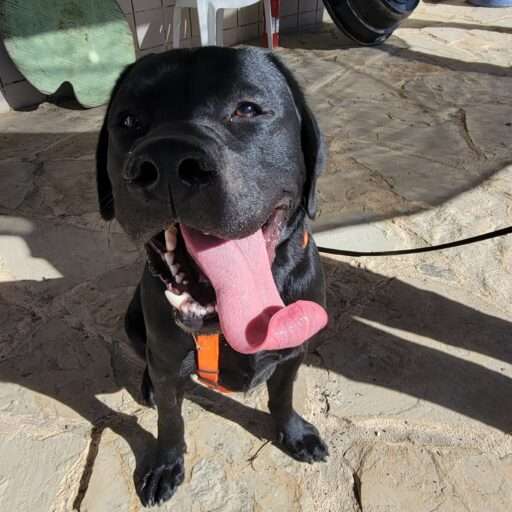
- A tongue that hangs unusually long, wide, or shaped like a spoon
- Slowing down, seeking shade, or taking longer to catch their breath
- A prolonged recovery time after stopping exercise
- Refusing to walk or play
Critical Signs (Heat Stroke)
If heat exhaustion goes unaddressed, it quickly escalates into a life-threatening medical emergency. These symptoms require immediate veterinary intervention:
- Dark red, purple, or pale gums
- Excessive drooling or thick, ropy saliva
- Vomiting or diarrhea
- Lethargy, confusion, or disorientation
- Unsteadiness, collapsing, or seizures
What to do if your dog overheats:
- Move them to a cool, shaded, or air-conditioned space immediately.
- Offer sips of cool water.
- Wet the fur, especially the belly, groin, armpits and head. If possible, provide airflow with a fan. Air moving over wet fur promotes cooling through evaporation.
- Contact your veterinarian or an emergency clinic immediately.
4 Cool Ways to Keep Dogs Happy Outdoors & In
When it's too hot for outdoor activities, try these cool alternatives:
- Hydration Upgrade: Keep multiple water bowls around the house. Add ice cubes or splash low-sodium broth into their bowl to encourage drinking.
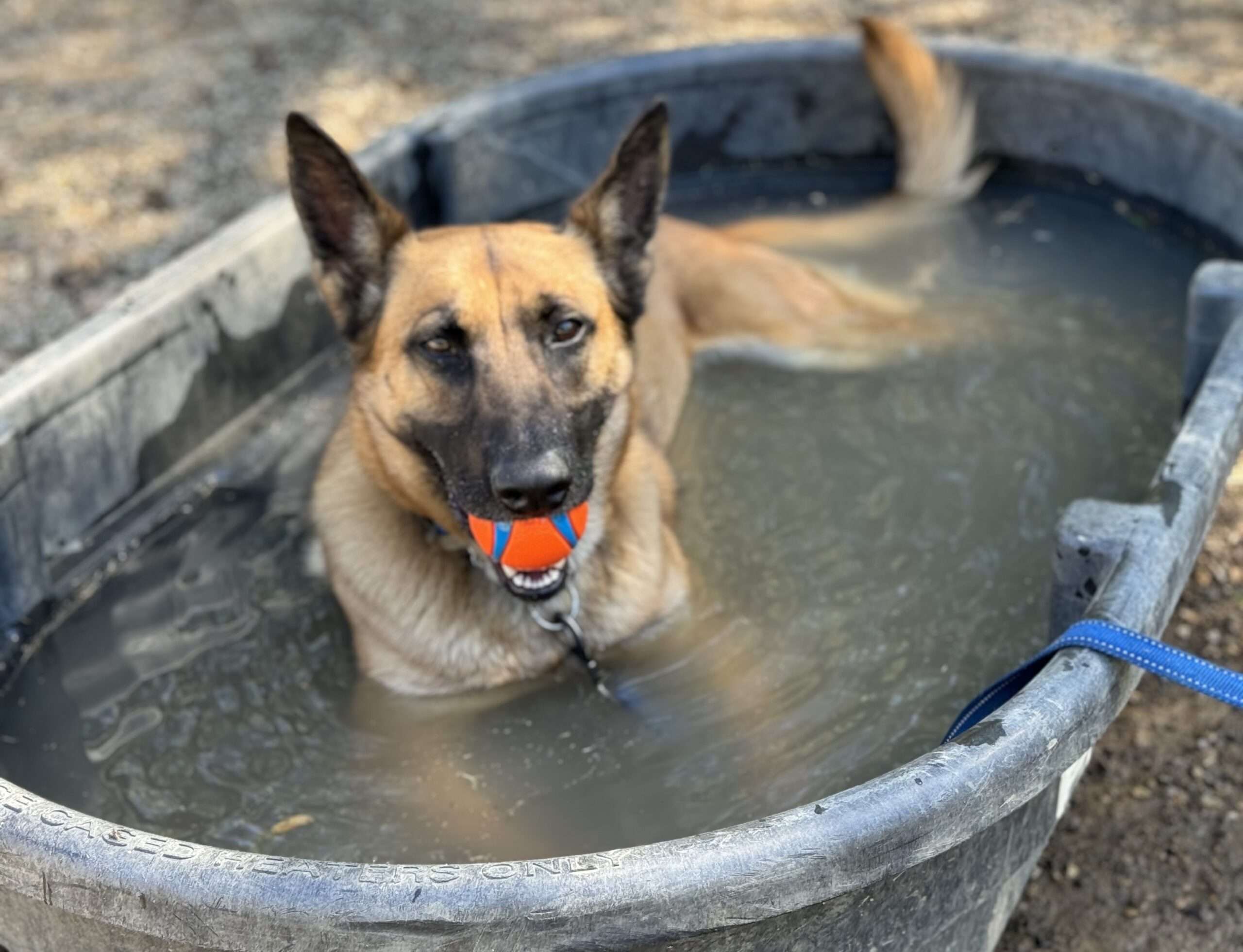
- Water Play: Set up a shallow plastic kiddie pool in the shade or use a gentle garden sprinkler for water-loving pups.
- Frozen Treats: Stuff a Kong or lick mat with peanut butter, plain Greek yogurt, or canned food and freeze it for a long-lasting cool snack, or make a recipe from the SDF Recipe E-book!
- Indoor Brain Work: Mental exercise burns energy just like physical exercise! Try hide-and-seek with treats, simple indoor agility, or puzzle toys during the hottest parts of the day.
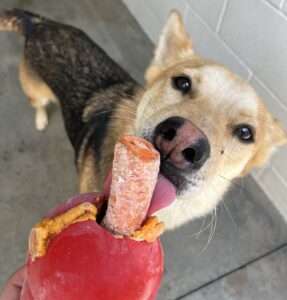
Summertime is time for fun, but high temperatures mean keeping safety top of mind for our canine companions. By listening to your dog's cues, keeping an eye on pavement temperatures, and leaning into cool indoor activities, you can prevent heat-related risks before they start.
When in doubt, play it safe, stay in the shade, and keep that water bowl full!